

Quick answer
Yes, Paracas is worth visiting if you want to see sea lions, Humboldt penguins, and flamingos in their natural habitat without multi-day treks. The reserve opens daily from 09:00 to 16:00, charges an 11 PEN conservation fee, and rewards early arrivals—between 09:00 and 11:00—with cooler temperatures and fewer tour groups. The red-sand beaches, fossil beds, and Paracas Candelabra geoglyph add geological and archaeological layers to what is primarily a wildlife destination.
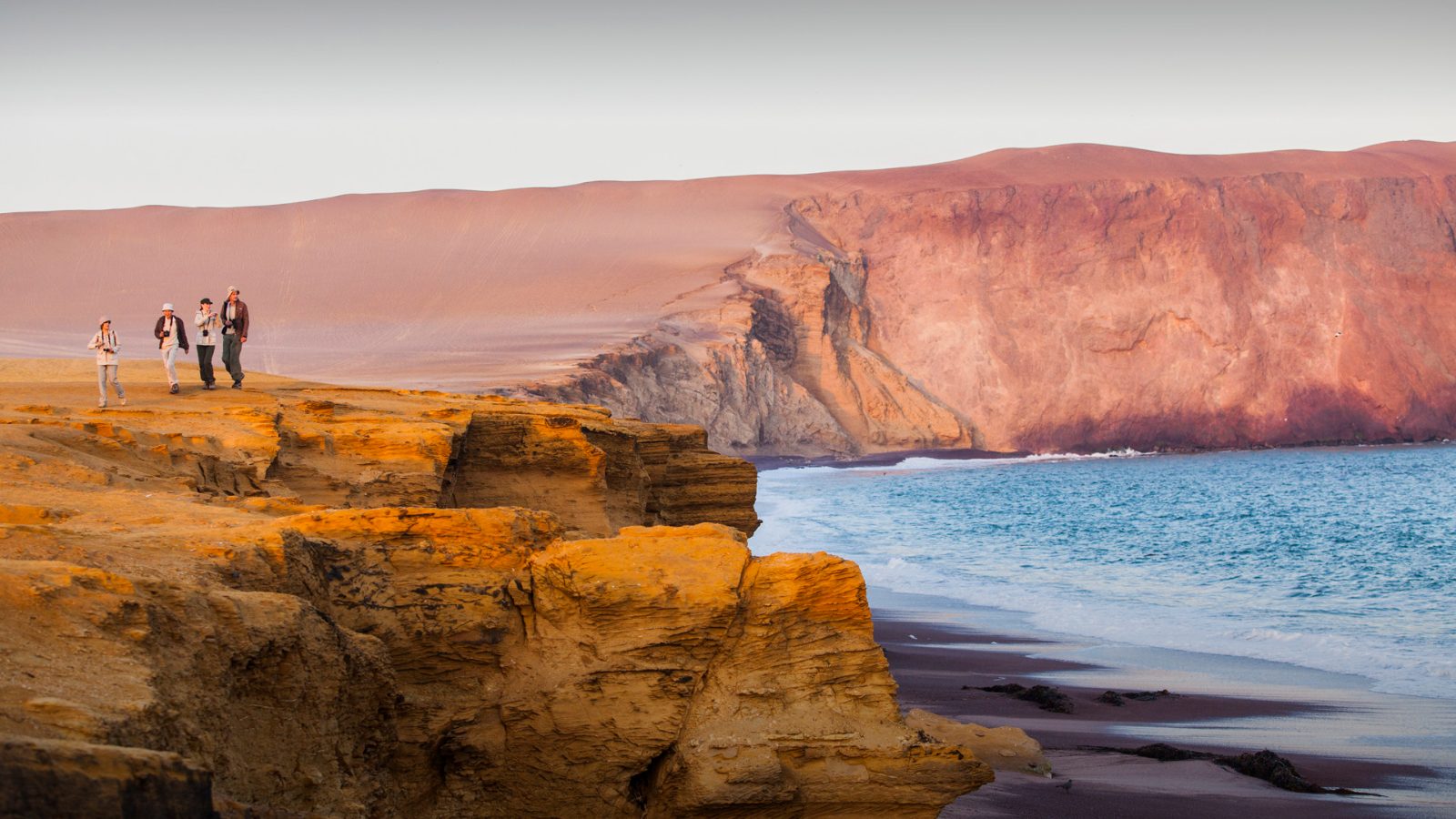
The Paracas Peninsula holds the densest concentration of seabirds on Peru's coast—over 200 species recorded, including endangered Peruvian boobies and Inca terns. This abundance exists because the Humboldt Current pushes cold, nutrient-rich water against the shoreline, sustaining anchovies and krill that feed the entire food chain. Visitors wondering if Paracas is worth visiting often underestimate how close you can get to this ecology. Playa Roja (Red Beach) lies ten minutes from the Santo Domingo checkpoint, where oxidized volcanic sand meets turquoise water and sea lion colonies sun on exposed rocks. The reserve's most-photographed site, La Catedral, collapsed during the 2007 Pisco earthquake. What remains is a jagged arch and scattered rubble that illustrate the peninsula's fragility. Wind erosion here happens in real time—dunes shift across coastal roads, and rangers mark new routes each season. This impermanence shapes the visitor experience. The roads are gravel and washboard, the landscape is raw, and there are no shade structures or water stations past the entry gate. You bring your own supplies. The Ballestas Islands boat tour, launched from Paracas town, complements the reserve visit but operates separately. The islands themselves lie within the reserve's marine zone, where tour boats circle granite outcrops hosting thousands of cormorants, pelicans, and Humboldt penguins. These tours depart early—usually 08:00—to avoid afternoon wind and swell. Combining the boat tour with a self-driven or guided loop of the terrestrial reserve fills one full day and answers whether Paracas merits the detour from Lima or the Nazca Lines route. The wildlife density is real, the landscapes are stark, and the infrastructure is minimal by design. If that mix appeals, the reserve delivers.
“The Humboldt Current pushes cold, nutrient-rich water against the shoreline, sustaining anchovies and krill that feed over 200 recorded seabird species.”
Determining When Is Paracas Worth Visiting Based on Timing
The optimal approach to visiting the Paracas National Reserve involves prioritizing the morning hours to bypass high temperatures and significant visitor congestion. Planning your trip between April and November also aligns with clearer skies and more stable coastal conditions.
Weekday mornings
Minimal crowds—
Arrival between 09:00 and 11:00 offers the quietest experience. This window avoids the peak heat and large afternoon tour groups.
December to March
High tourist volumeWarm, 24°C–28°C
These months coincide with the peak summer season and school holidays. Expect higher demand for local services and limited parking at viewpoints.
April to November
Moderate crowdsCooler, 18°C–22°C
This period provides a more consistent climate with less humidity. It is suitable for those seeking a more solitary experience in the reserve.
Verdict: The most effective strategy is to visit during a weekday between April and November, ensuring your arrival window falls between 09:00 and 11:00.
Daily Opening Hours: Is Paracas Worth Visiting Today?
The Paracas National Reserve operates on a consistent schedule throughout the week. Access is available daily to accommodate visitors planning their excursions.
| Monday | 09:00–16:00 | |
|---|---|---|
| Tuesday | 09:00–16:00 | |
| Wednesday | 09:00–16:00 | |
| Thursday | 09:00–16:00 | |
| Friday | 09:00–16:00 | |
| Saturday | 09:00–16:00 | |
| Sunday | 09:00–16:00 |
What You Will See to Decide Is Paracas Worth Visiting
The Paracas National Reserve features a stark coastal desert landscape where the arid sands meet the Pacific Ocean. Visitors encounter diverse geological formations and unique wildlife habitats preserved within this protected environment.
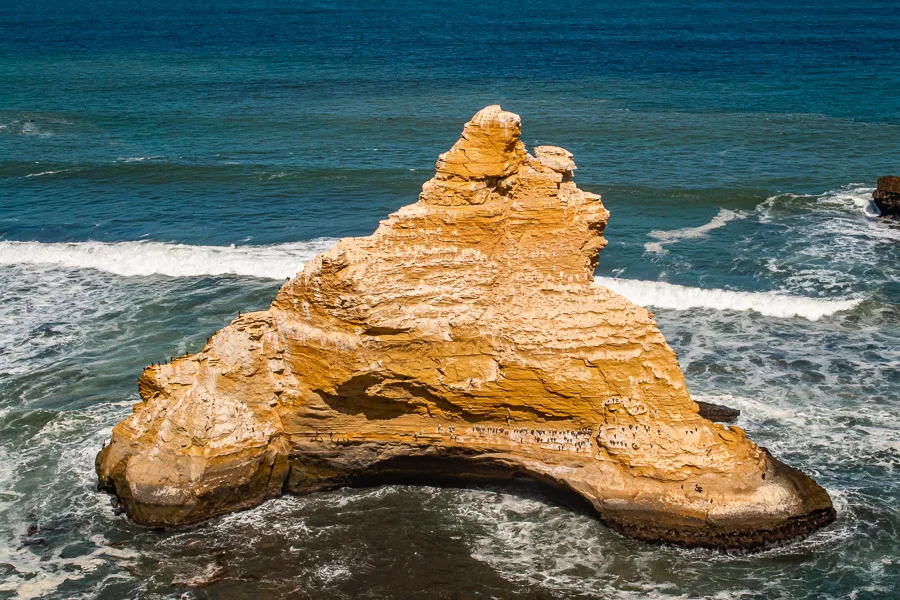
La Catedral
This rock formation stands as a remnant of a former cliff arch collapsed by a 2007 earthquake. It provides a vantage point for observing the surrounding coastal cliffs.
View from the dedicated overlook platform to see the rock structure.
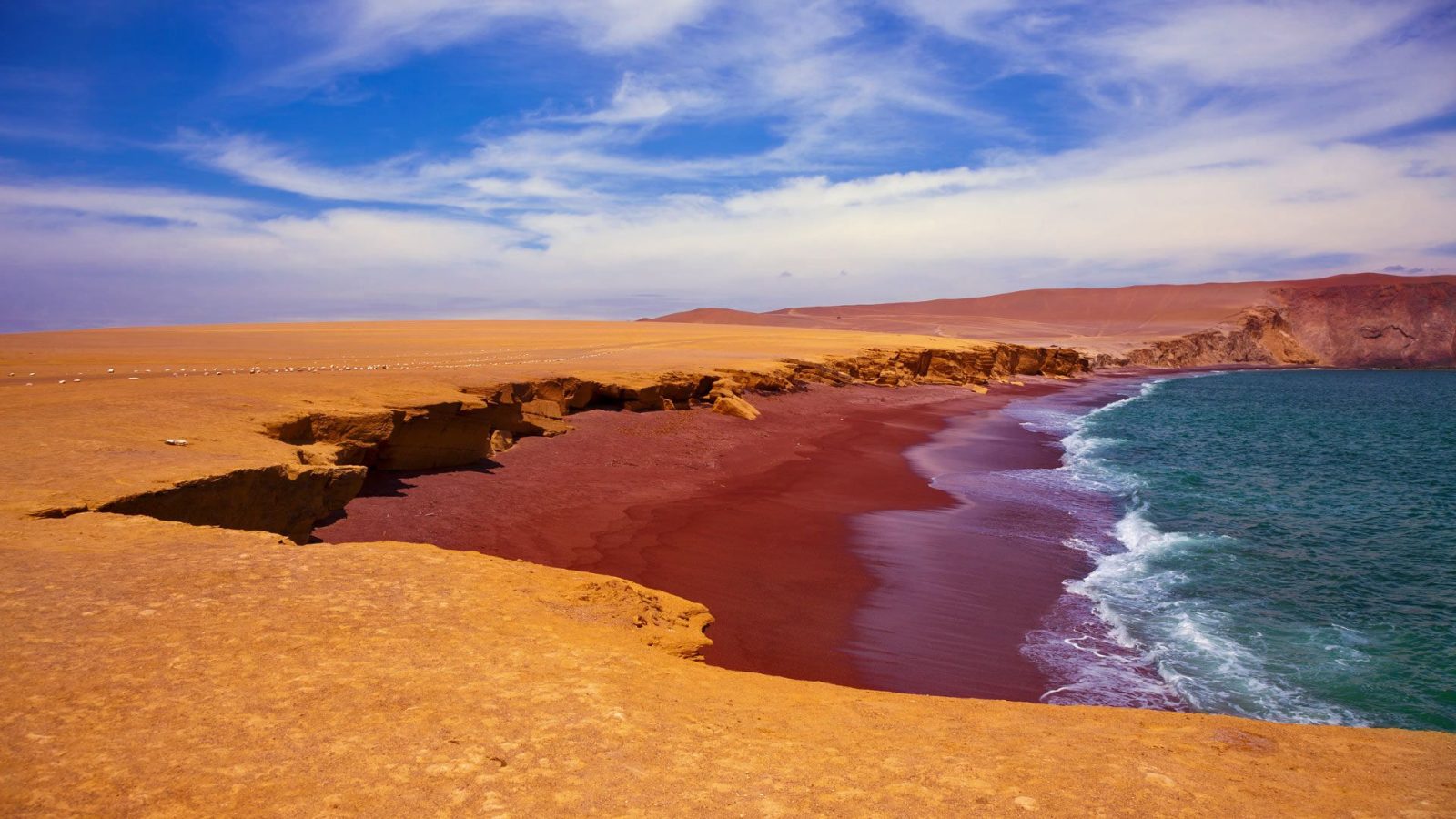
Playa Roja
This beach is distinguished by its deep red sand, a result of volcanic rock erosion from the nearby Paracas peninsula. It contrasts sharply with the blue tones of the ocean.
Walk along the upper perimeter path for the best color contrast.
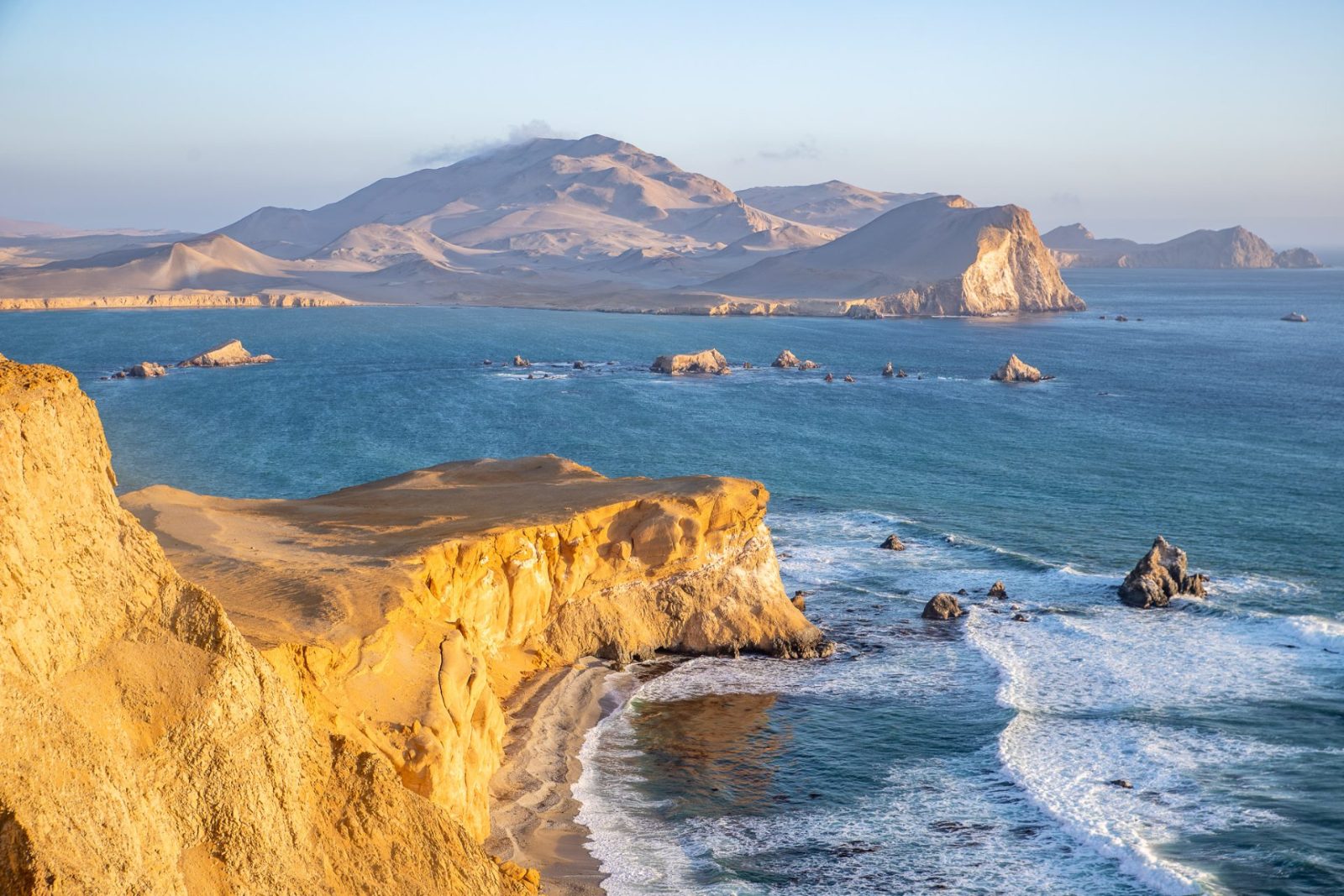
It_o Circuit
A series of lookout points that provide panoramic views of the coastal desert meeting the sea. This route is primary for spotting marine birds and coastal topography.
Stop at each marked lookout to identify different coastal bird species.
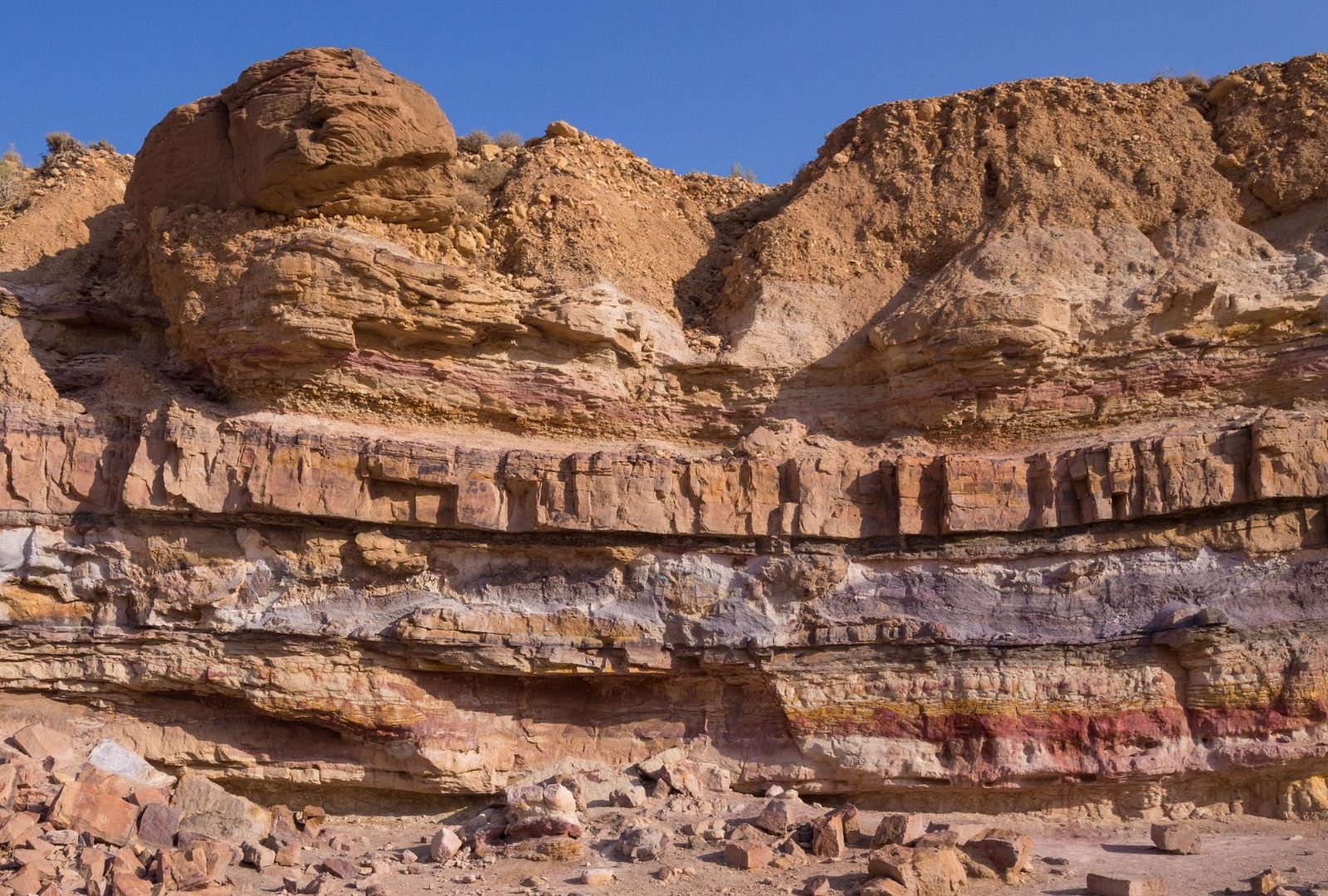
Yumaque Beach
A expansive, crescent-shaped beach known for its fossil deposits and calm waters. It serves as a significant site for observing the sedimentary layers of the desert.
Visit during low tide to inspect the fossilized remnants on site.
Logistics: How to Reach the Site to See Is Paracas Worth Visiting
Paracas National Reserve is located on the Pacific coast of Peru, approximately 260 kilometers south of Lima. The primary access point for visitors is the Santo Domingo Checkpoint.
Peru Hop or Cruz del Sur to Paracas town
Local taxi from Paracas town center to reserve checkpoint
Pan-American Highway (PE-1S) to Paracas access road
Preparation Checklist Before Asking Is Paracas Worth Visiting
The reserve's desert-coastal exposure demands specific gear and careful preparation.
-
Bring passport or DNI for entry — Park rangers verify ID at the Santo Domingo checkpoint.
-
Pack high-SPF sunscreen and reapply frequently — The coastal desert offers almost no natural shade.
-
Carry at least 2 liters of water per person — Dehydration sets in quickly in the arid climate.
-
Wear closed-toe shoes with good grip — Red Beach and trails have loose sand and sharp rock formations.
-
Layer lightweight clothing for temperature swings — Morning coastal winds give way to intense midday heat.
-
Bring a hat and sunglasses — UV exposure is severe year-round at sea level.
Check availability
Frequently Asked Questions About Is Paracas Worth Visiting
Everything you need to know about is paracas worth visiting