

Quick answer
Paracas National Reserve buggy tours operate daily from 09:00 to 16:00 with a standard 11 PEN conservation fee per foreign adult. Licensed operators follow designated trails through the Supay and Yumaque dune corridors, covering red-sand formations and fossil beds while avoiding protected nesting zones. Tours typically depart between 09:00 and 11:00 to avoid afternoon wind gusts that reduce visibility and increase sand drift.
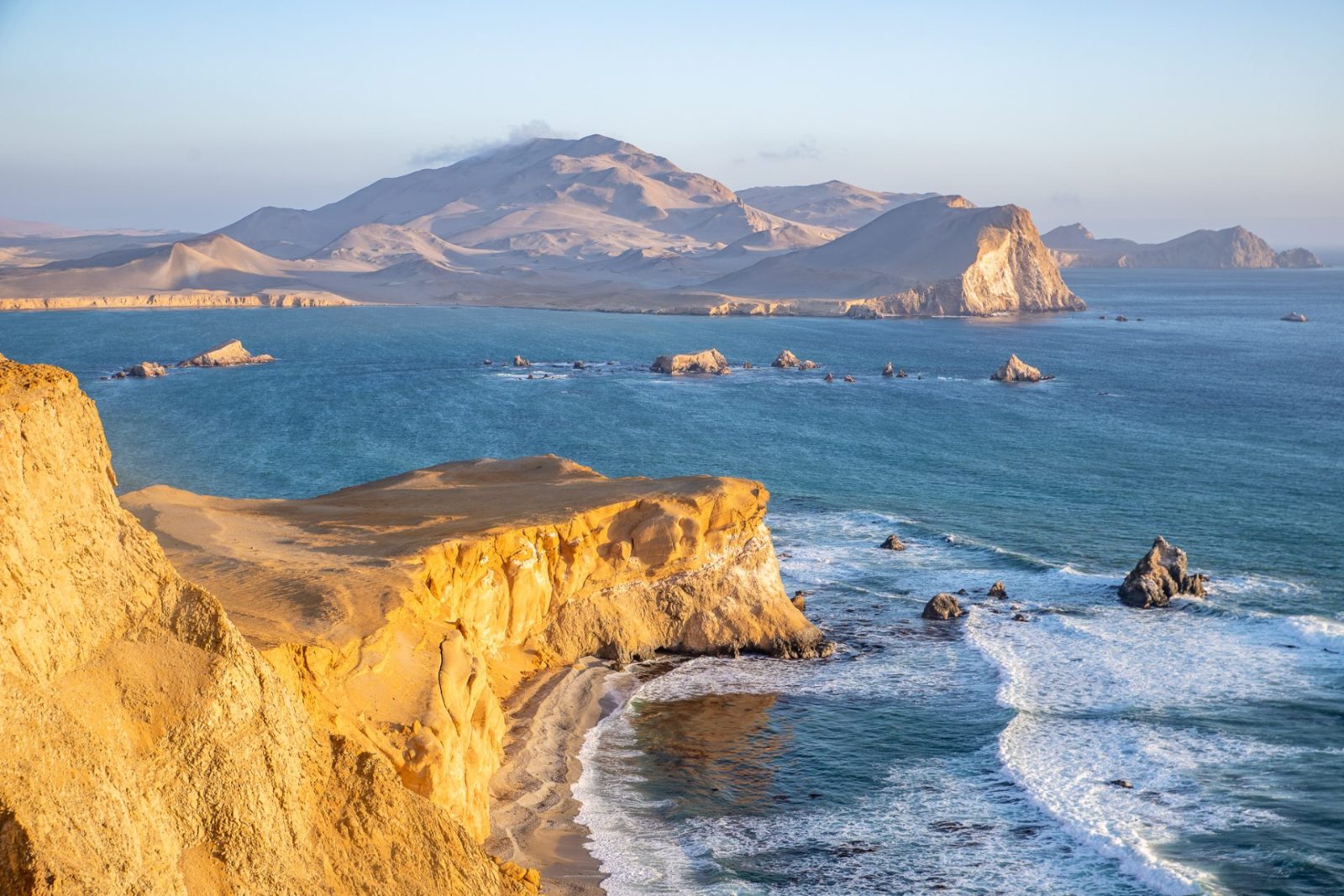
The Paracas desert runs along 335,000 hectares of Pacific coastline, its red-oxide dunes rising directly from cliff edges above the ocean. Buggy tours navigate this terrain on marked trails that SERNANP — Peru's natural protected areas service — permits for motorized recreation, a network designed to separate high-traffic routes from fragile fossil deposits and seabird nesting sites. The Supay corridor cuts inland from the Santo Domingo checkpoint toward the Yumaque formation, a 40-minute loop over compacted sand and gravel that exposes Miocene-era marine fossils pressed into stratified clay. Most paracas national reserve buggy tour itineraries cover this segment first, then branch north toward the Lagunillas bluffs or south to the Cathedral Rock viewpoint, depending on wind direction and tide. The reserve's geology shifts from hard-packed flats to loose, wind-sculpted ridges within a few hundred meters, so vehicles stick to established paths where substrate has been tested for load-bearing stability. Departure timing matters. Morning runs between 09:00 and 11:00 encounter calmer air and better light for photography, particularly when crossing the crimson dune fields near Playa Roja. By early afternoon, Pacific wind accelerates through coastal gaps, lifting sand in opaque curtains that obscure landmarks and force buggies to reduce speed. Operators coordinate closely with SERNANP rangers, who monitor weather and close sections when wind exceeds safe thresholds or when marine mammal activity spills onto access roads. Permit compliance is non-negotiable. Only licensed operators with current SERNANP authorizations may enter the reserve with motorized vehicles, and each buggy must display a numbered sticker issued annually. The standard conservation fee grants foot access; buggy passengers pay no additional reserve surcharge, though tour operators charge separately for the vehicle and guide service. Vehicles must remain on approved trails, maintain a 50-meter buffer from wildlife, and carry communication equipment for emergency contact with checkpoint staff. The reserve's appeal lies in what you cannot reach otherwise. The Yumaque fossil beds, the sulfur-tinted Supay dunes, and the wind-carved formations above Mendieta Beach sit kilometers from paved roads, across sand too soft for standard vehicles. A paracas national reserve buggy tour compresses those distances into a half-day circuit, delivering the geological oddities and ocean panoramas that define this stretch of the Peruvian coast without requiring multiday trekking permits or specialized navigation skills.
“The reserve's red-oxide dunes rise directly from cliff edges, exposing marine fossils that date back millions of years.”
The Best Arrival Window for Your Paracas National Reserve Buggy Tour
The best arrival window for your Paracas National Reserve buggy tour is between 09:00–11:00. Arriving during this timeframe helps you avoid the strong afternoon wind gusts common in the region and provides more time to navigate the reserve's landmarks before the 16:00 closing time.
Summer (Dec–Mar)
High density; advance booking requiredWarm, 24°C–28°C; high UV exposure. These months offer clear skies but higher visitor numbers.
Winter (Jun–Aug)
Lower density; calmer experienceCooler, 16°C–20°C; frequent morning mist. The cooler air is often preferred for dune buggy activities.
Weekday mornings
Minimal crowds; quiet trails—;—, Arrival between 09:00 and 11:00 ensures you beat the heaviest daily winds. This window allows for optimal exploration of the reserve's desert landscapes.
Verdict: For the best experience, aim for a weekday arrival between 09:00 and 11:00 during the shoulder months of April or October.
Opening Hours for the Paracas National Reserve Buggy Tour
The Paracas National Reserve operates on a consistent schedule throughout the week to accommodate visitors. The reserve remains open daily from morning until late afternoon.
| Monday | 09:00–16:00 | |
|---|---|---|
| Tuesday | 09:00–16:00 | |
| Wednesday | 09:00–16:00 | |
| Thursday | 09:00–16:00 | |
| Friday | 09:00–16:00 | |
| Saturday | 09:00–16:00 | |
| Sunday | 09:00–16:00 |
How to Reach the Paracas National Reserve Buggy Tour Checkpoint
The Paracas National Reserve is located along the coast of the Ica region, with the primary access point for buggy tours situated at the Santo Domingo Checkpoint. Visitors typically travel from the town of Paracas, which serves as the central hub for tour departures.
Follow the main coastal road south from Paracas town directly to the Santo Domingo Checkpoint.
Request a transfer from Paracas town center to the Santo Domingo Checkpoint.
Landscape Highlights of the Paracas National Reserve Buggy Tour
The Paracas National Reserve offers a stark transition between the Pacific Ocean and arid desert terrain. Tours provide access to expansive dunes and coastal cliff formations that are otherwise difficult to reach.
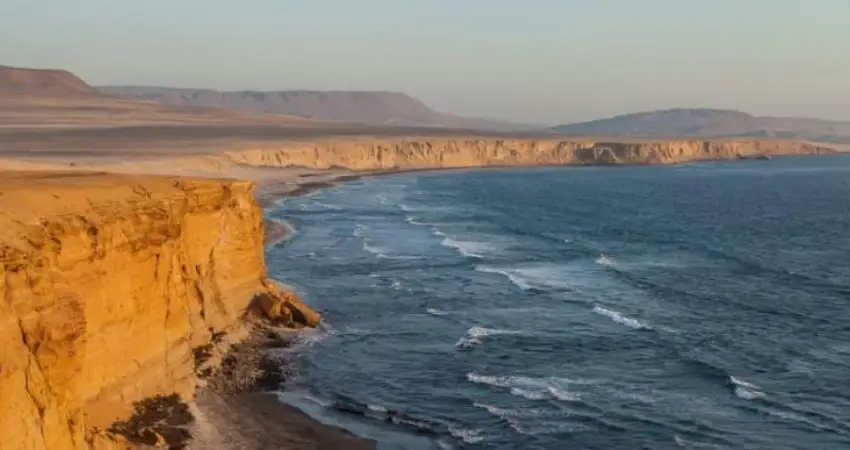
Yumaque Beach
This expansive crescent-shaped beach features sediment layers revealing ancient geological history.
Visit during low tide to see the exposed fossiliferous rock formations.
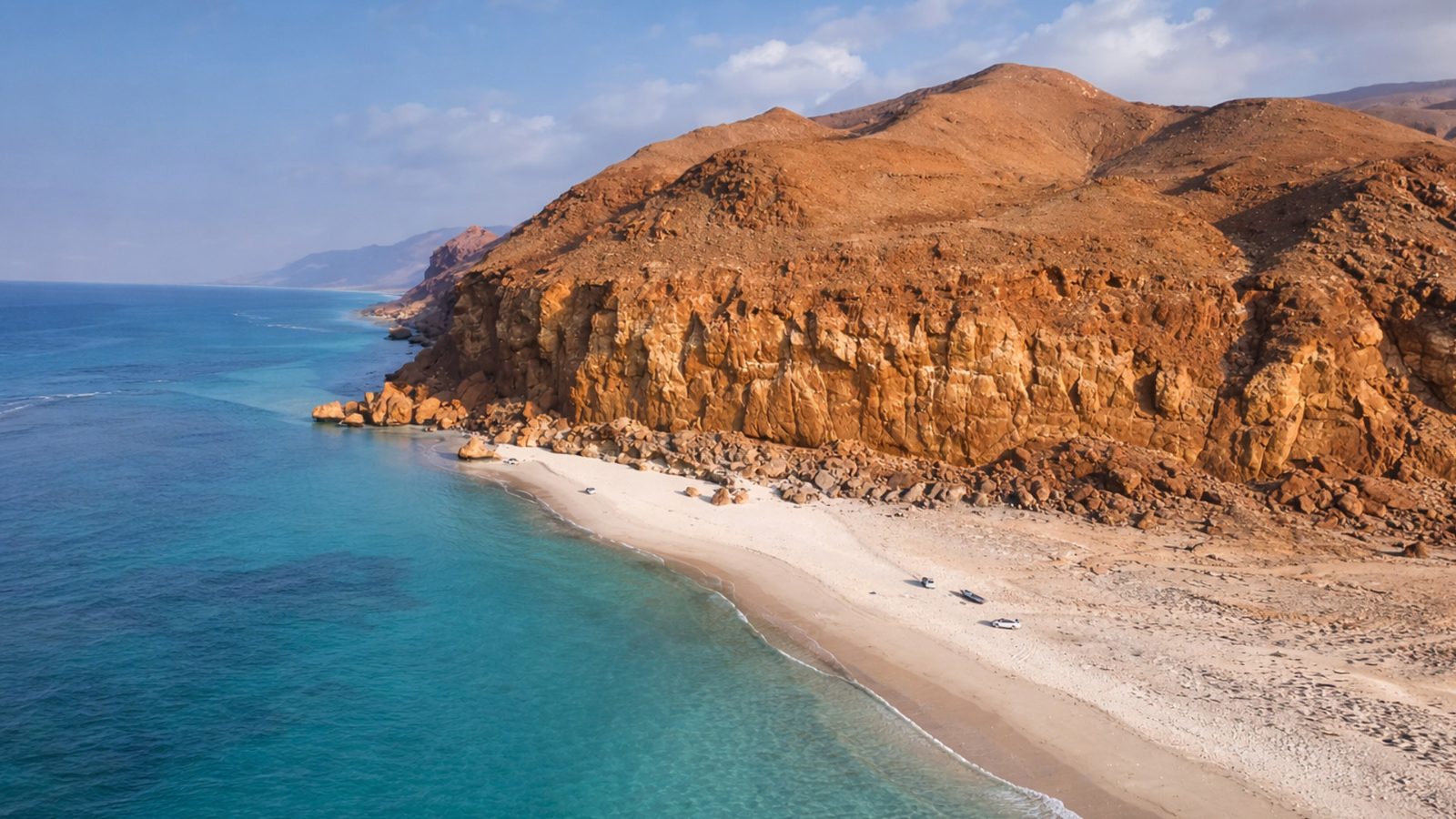
Itmó Beach
Located near the entrance, this beach provides views of the stark contrast between the desert sand and ocean waves.
Walk to the southern end for a quieter perspective of the bay.
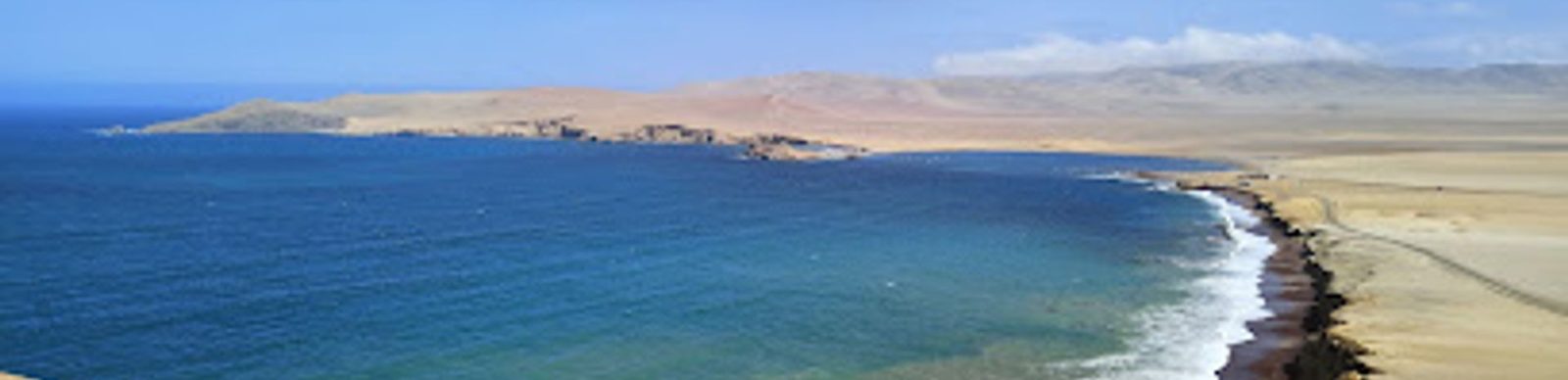
Mirador Istmo de la Península
A high vantage point offering a panoramic view of the narrow strip of land connecting the peninsula to the mainland.
Use the upper observation platform to capture the full landscape symmetry.
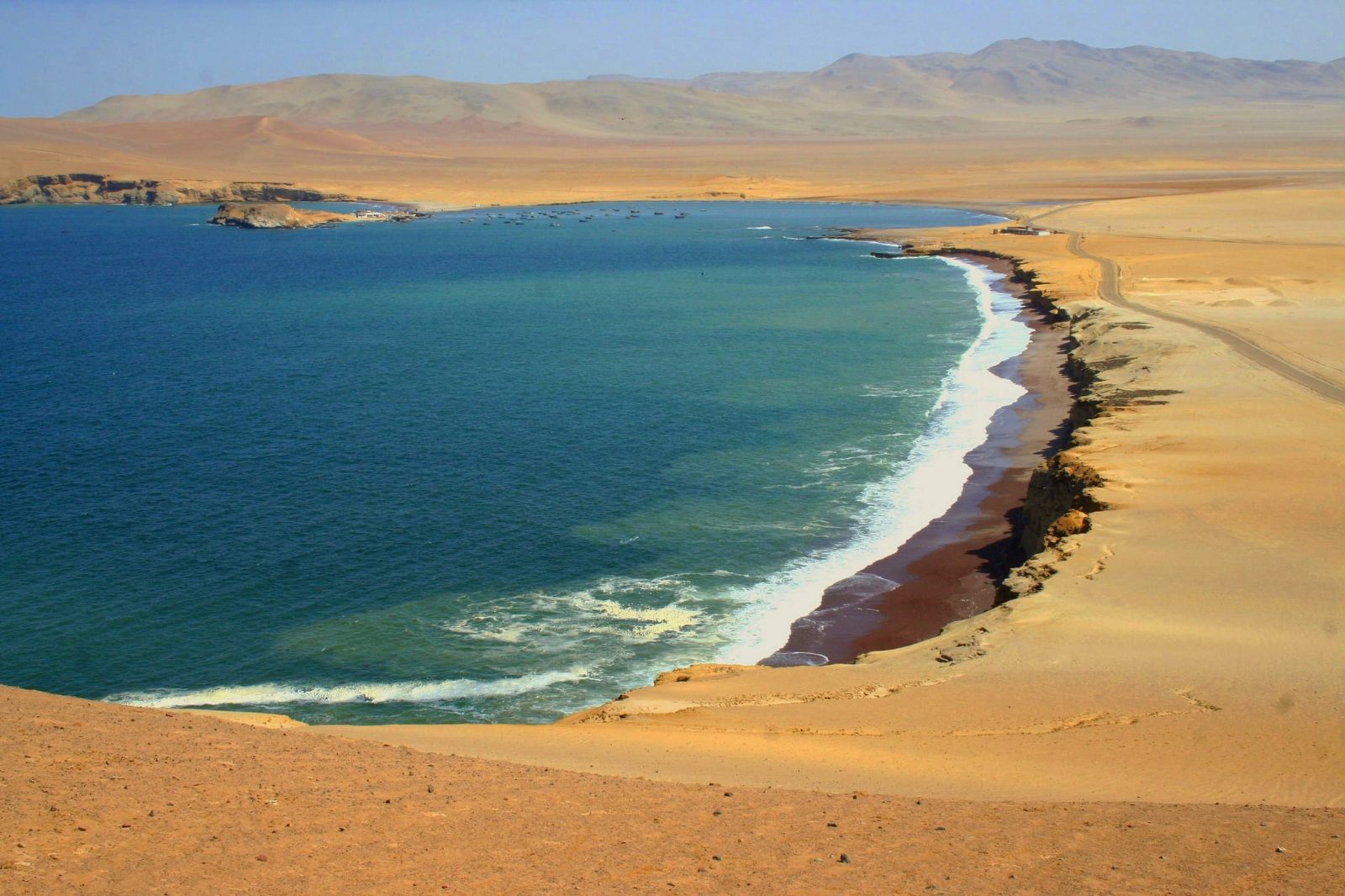
Desert Dunes
The vast sand dunes within the reserve create shifting topographic waves carved by consistent coastal winds.
Ask your guide to stop at the leeward side for stable photo opportunities.
Rules and Etiquette for Your Paracas National Reserve Buggy Tour
The reserve enforces strict conservation rules to protect fragile desert ecosystems and coastal habitats. Tour operators and visitors must comply with designated routes and wildlife observation protocols.
Do
- Stay on marked buggy trails and designated viewing areas
- Carry out all trash and food wrappers
- Follow your guide's instructions on wildlife distance limits
- Respect closure signs around nesting zones and archaeological sites
- Secure loose items before departure to prevent littering
Don't
- Don't drive off-trail or disturb sand dunes
- Don't approach or feed sea lions, penguins, or seabirds
- Don't collect shells, rocks, or plant specimens
- Don't enter restricted archaeological or ecological zones
- Don't smoke or leave any waste in the reserve
Check availability
Frequently Asked Questions About Paracas National Reserve Buggy Tours
Everything you need to know about paracas national reserve buggy tour